Sample content for the demo. SV Education will check and approve every post before it goes live.
- Small classes and teaching matched to ability as well as age.
- Staff trained as therapeutic practitioners.
- Hands on projects that give learning a reason.
- The aim: more time in learning, and a confident move to whatever comes next.
When school has stopped working
Our education provision is for looked-after young people living in our homes who are unable to attend mainstream education.
Many have social, emotional and mental health (SEMH) needs. Some have special educational needs too, with or without an EHCP. Others arrive with gaps in their education, low or no attendance, or a long run of difficult experiences behind them.
Every young person we teach has found mainstream school too hard to stay in, and that is exactly who we are here for.
Learning that meets young people where they are
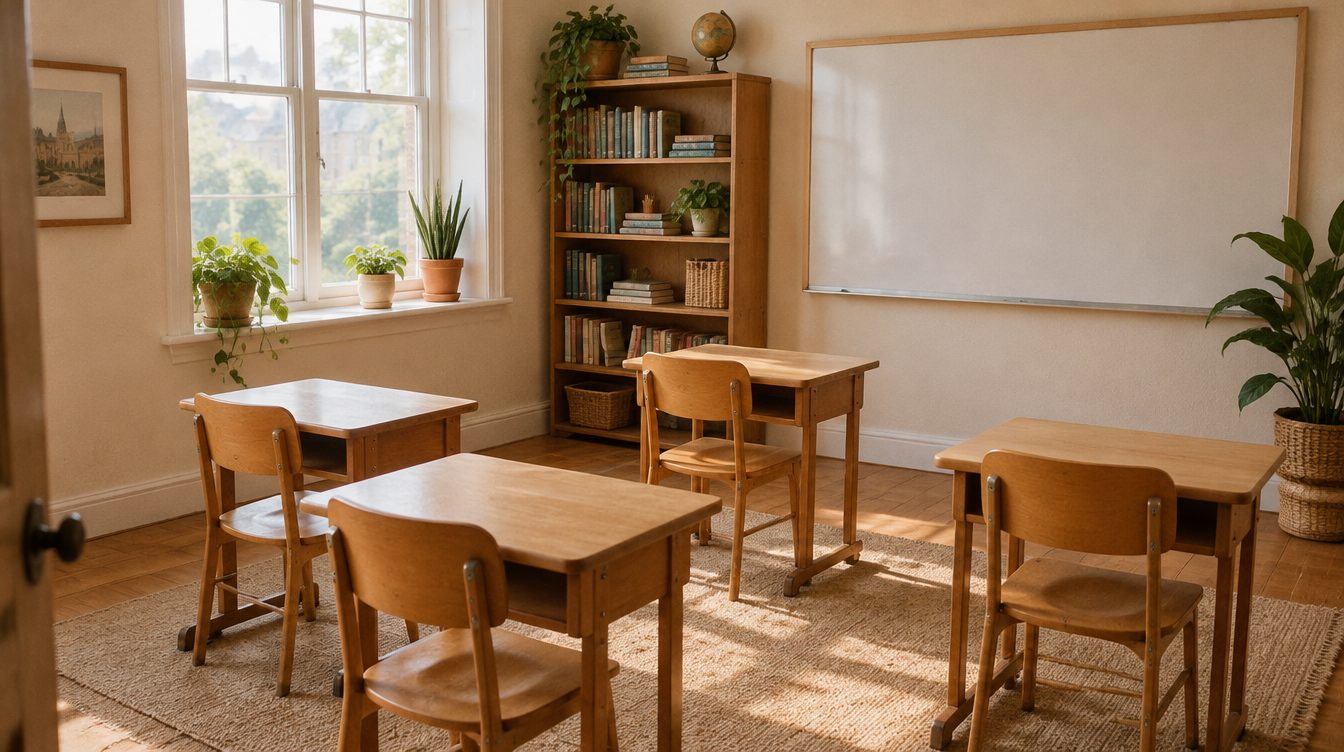
We teach by ability as well as age. A 15 year old who missed a lot of school can start at the level that fits.
Classes are smaller than in mainstream school, and each young person gets a curriculum tailored to them. We also invite input from the professionals who know each young person.
Meeting a young person at their level is where trust starts.
Why we learn through projects
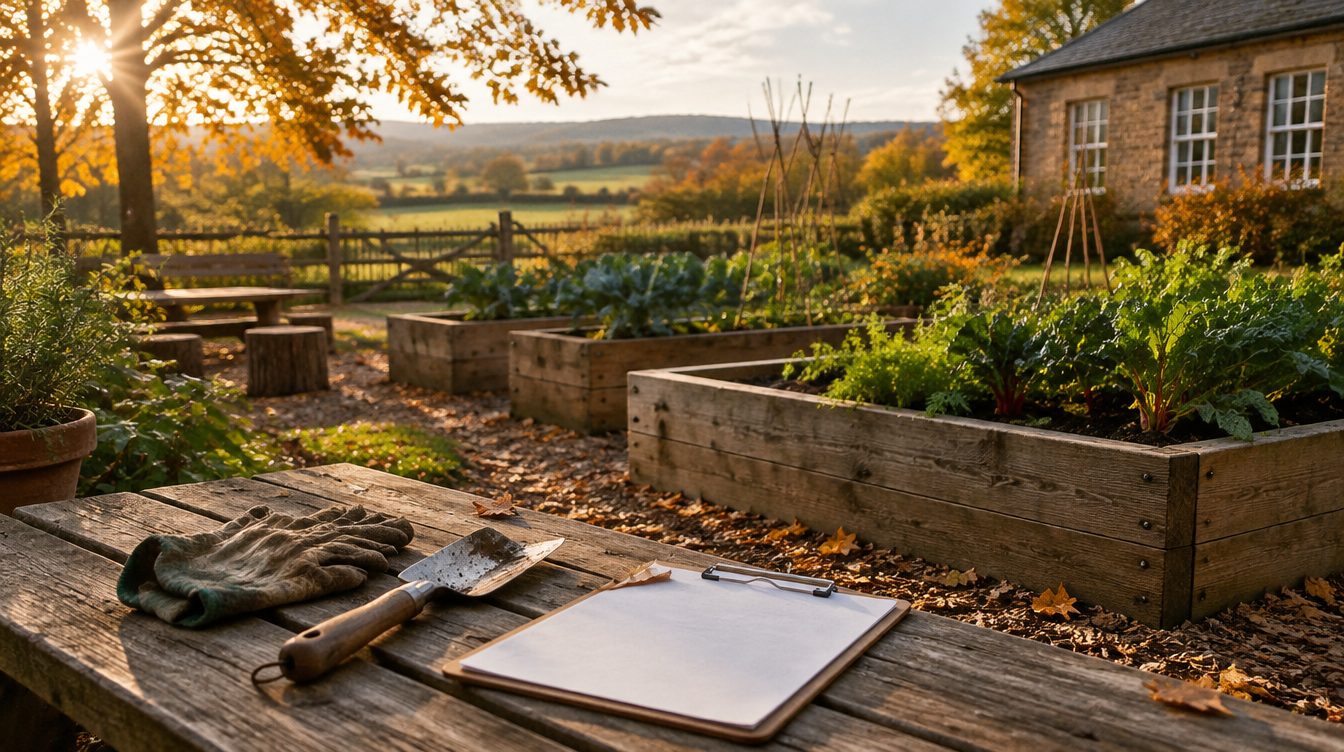
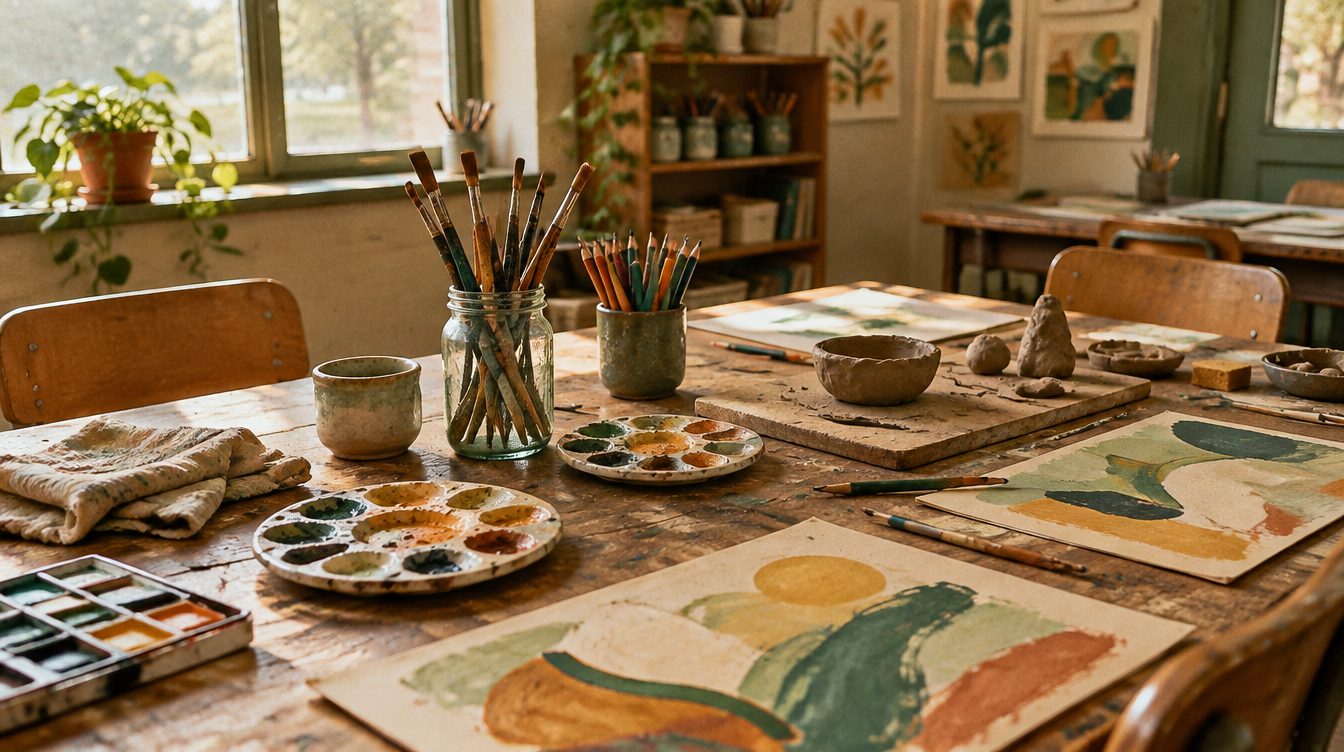
Throughout the year, we run projects on food, drama, expressive arts, fashion, culture and gardening, along with outdoor activities.
For a young person who has switched off from worksheets, a project gives learning a purpose they can see. There is something to make, grow, perform or share at the end of it. Reading, number work and talking things through become part of getting there.
 AI image for the demo
Outdoor learning is part of it too. Some young people find it easier to focus and try new things outside a classroom.
Projects give young people a reason to show up, and that is often the first step back.
Calm, trained adults in the room
Our teaching staff are trained as therapeutic practitioners. We aim for a nurturing environment where young people can start to enjoy learning again.
A calm, nurturing room makes it easier to come back to learning.
Building towards something
Projects sit alongside a curriculum that draws from the National Curriculum, Functional Skills and vocational learning. That mix lets each young person build the basics and work towards practical skills at the same time.
Our goals are clear: help young people re-engage, increase their attendance, develop a love of learning and move successfully to their next place of learning.
Every step back into learning is a step towards a next chapter.
What Ofsted noticed
When Ofsted inspected our High Trees children's home in March 2026, inspectors found children's education had improved. That included children who had been out of education for a long time. [To check against the report]
High Trees School, attached to the home, is registered with the Department for Education as an independent special school. See the High Trees School listing.
Coming back to learning takes time, and it is good to see that progress recognised.